
Strategies for playing poker like a pro at the casino

Understanding the Basics of Poker
To play poker like a pro, it’s crucial to have a firm grasp of the game’s fundamentals, especially when considering options like canada sports betting that can enhance your overall strategy. This includes understanding hand rankings, the various types of poker variations, and the rules of the game. Familiarizing yourself with poker terminology such as ‘bluffing,’ ‘pot odds,’ and ‘position’ will give you a solid foundation. Knowing these basics allows you to engage with other players intelligently and make informed decisions during gameplay.
Moreover, it’s essential to grasp the flow of the game. Poker often involves multiple rounds of betting, and knowing when to bet, call, raise, or fold is part of mastering the game. The dynamics shift with every decision made by the players, making it crucial to pay attention to your opponents. A focused player can observe patterns and tendencies in their opponents’ behavior and use that information to their advantage.
Lastly, don’t underestimate the psychological aspect of poker. It’s as much a game of skill as it is of mental acuity. Learning to read your opponents can be a game-changer. For instance, if you notice a player sweating or fidgeting when they have a weaker hand, it might be a cue to capitalize on their discomfort. Developing this intuitive skill will elevate your poker game significantly.
Mastering Strategies and Techniques
Once you have the basics down, it’s time to delve into advanced strategies and techniques. One of the most effective strategies is understanding your table position. Being seated at the ‘late position’ gives you the advantage of seeing how other players act before you make your decision. This information can be a vital tool in determining whether to raise, call, or fold. Professional players often adjust their strategies based on position, which can lead to more favorable outcomes.
Another critical technique is the concept of ‘value betting.’ This strategy involves betting with a strong hand when you believe your opponent will call, thus maximizing your winnings. It’s essential to gauge your opponents’ tendencies—some players are more likely to call than others. By betting in situations where you anticipate a call, you increase your chances of profiting from each hand.
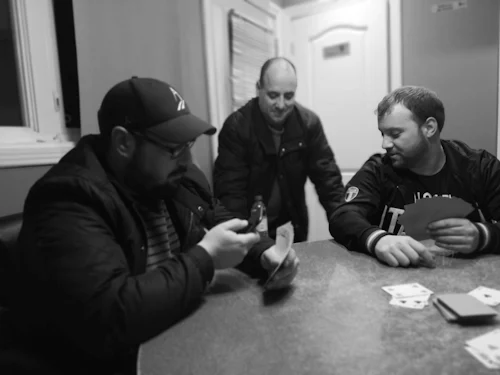
Additionally, mastering the art of bluffing is an integral part of becoming a professional poker player. Bluffing can lead to significant wins, but it must be executed carefully. You should only bluff against players who are likely to fold, as bluffing against strong players may backfire. The most successful bluffs are often those that are well-timed and seem believable based on the game dynamics at play.
Bankroll Management and Emotional Control
A seasoned poker player understands the importance of bankroll management. Allocating a specific amount for gaming and sticking to it is essential to long-term success. This means setting limits for yourself and ensuring that you do not chase losses. Effective bankroll management allows you to weather the inevitable highs and lows of poker without risking financial ruin, which can happen to even the most skilled players.
Emotional control is another critical aspect of poker mastery. The game can be both thrilling and frustrating, and maintaining composure is vital for making rational decisions. Tilt, a term used to describe emotional frustration leading to poor decision-making, can be detrimental to your game. Learning techniques to stay calm under pressure, such as taking breaks when feeling overwhelmed, can help maintain focus and enhance your decision-making capabilities.
Furthermore, seeking feedback from fellow players or utilizing poker forums can provide insights that aid in emotional management. Understanding that everyone experiences swings in fortune can help normalize your feelings during challenging sessions. This perspective allows you to return to the table with a refreshed mindset, ready to tackle the next hand dejectedly.
Building a Strong Poker Community
Surrounding yourself with a supportive poker community can greatly enhance your learning curve. Engaging with other players allows for the exchange of strategies, advice, and experiences. Local poker groups, both online and in person, offer resources that can help you develop your skills further. By listening to the experiences of more seasoned players, you can gain valuable insights that textbooks and articles may not cover.

Online platforms and forums dedicated to poker offer a wealth of information where you can share hands and solicit opinions from the community. It’s an excellent way to learn from mistakes and successes, giving you a broader perspective on various scenarios. Participating in discussions about different strategies will deepen your understanding of the game and introduce you to innovative concepts that you may not have considered.
Moreover, competing in local tournaments or home games not only provides practical experience but also encourages camaraderie among players. This shared passion fosters a competitive yet friendly environment where you can practice your skills against different playing styles. Building connections in the poker community can lead to mentorship opportunities, which can provide you with the guidance needed to excel.
Conclusion and Resources for Aspiring Players
If you’re aspiring to play poker like a seasoned professional, remember that mastering the game requires dedication, practice, and a keen understanding of the dynamics involved. The strategies outlined in this article emphasize the importance of building a solid foundation, mastering advanced techniques, practicing responsible gambling, and fostering community connections. By integrating these strategies into your gameplay, you can elevate your poker experience.
As you embark on your poker journey, consider utilizing various resources available online and in literature to continue enhancing your skills. Many books, coaching services, and video tutorials can provide additional insights that complement your practical experience. Staying updated on trends and strategies within the poker community is crucial to maintaining a competitive edge.
Lastly, whether you are a casual player or looking to become a pro, remember that patience and continuous learning are key elements in the game of poker. Embrace every opportunity to elevate your skills, and success will follow. Good luck at the tables, and may your poker journey be filled with excitement and growth!